Writing in Yet Another Snowstorm
On Blizzards, Bennets, and the Quiet Luxury of Escaping Into Fiction
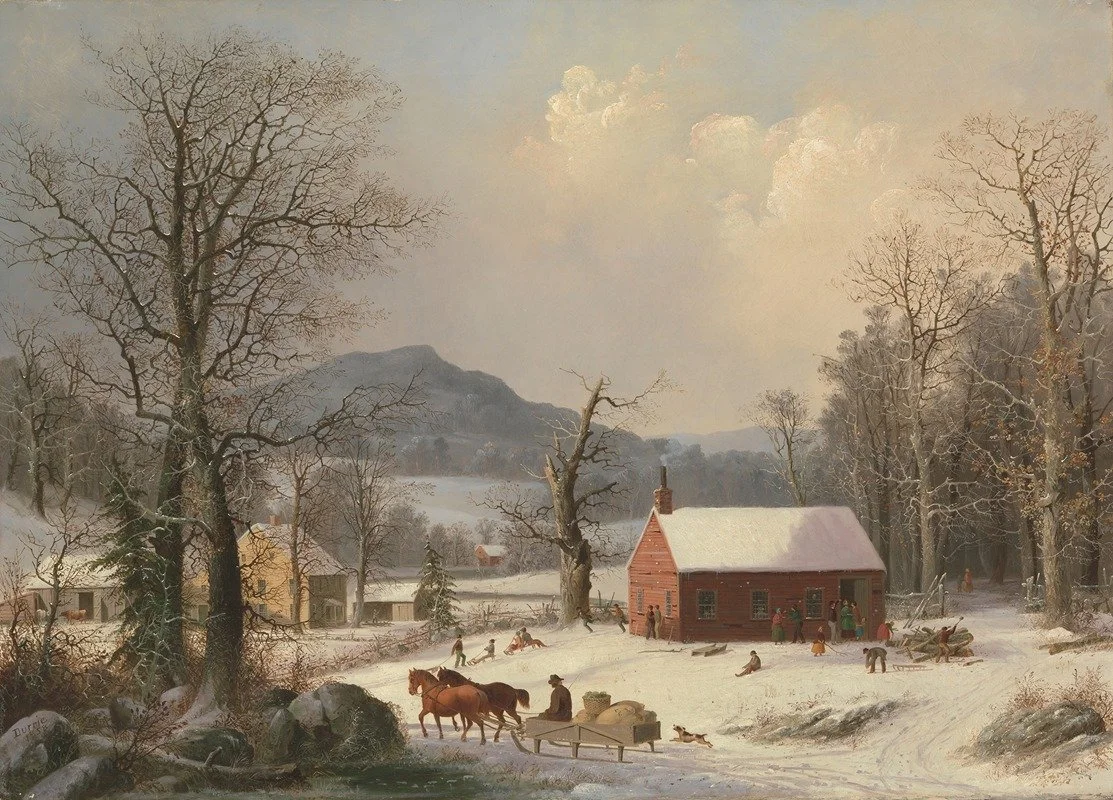
While I was writing about a girl lost in a snowstorm, nature very kindly provided one. Two feet of snow outside my window, white sky pressing down, and me at my desk with an electric throw and a mug of tea, sending my poor heroine out into weather I had no intention of personally enduring.
While the snow was blowing and the temperature sat well below freezing, I found it alarmingly easy to stay indoors, wrapped in central heating and an electric throw. The gap between my comfort and my heroine’s ordeal was never far from my mind: she was out in that same weather, escaping an attacker and seeking shelter in a strange town. Brought up on a large estate, she has been pampered all her life, never required to fend for herself. Yet she is also a horsewoman, familiar with the workings of home farms, and that knowledge becomes her salvation. Slipping into the loft of a barn, she can at least claim the warmth of the cattle and a bed of hay—small mercies against the storm.
Writing that snowstorm while one raged outside my own windows felt oddly appropriate. The world beyond my desk is in its own kind of blizzard—news alerts whirling, crises piling like drifts. Some writers I know have bemoaned their inability to work in the middle of it all, and I understand that completely. But for me, this book has been an escape hatch rather than a distraction, a place where the storm on the page is easier to manage than the one on the screen.
There is another quiet luxury in writing a snowstorm: on the page, I have the power to move the seasons along. While my driveway disappears under another two inches of powder, my heroine is waking to crocuses nosing through thawed earth and daffodils on the verge of blooming. I can give her spring while I am still in boots and wool socks. If only I could encourage that kind of seasonal progress outside my window as easily as I can in my next chapter.

My recent reading of Jane Austen's Bookshelf has led me back t works that shaped Austen's own literary sensibility. Her father's library of 300 volumes, supplemented by circulating library subscriptions, gave her access to a remarkable range of contemporary and earlier literature. I have selected several extracts that illuminate the philosophical and literary foundations of her novels.


Love is, in a great degree, an arbitrary passion, and will reign like some other stalking mischiefs, by its own authority, without
deigning to reason; and it may also be easily distinguished from
esteem, the foundation of friendship, because it is often excited
by evanescent beauties and graces, though to give an energy to the sentiment something more solid must deepen their impression and set the imagination to work, to make the most fair-- the first good. A Vindication of the Rights of Woman
Mary Wollstonecraft
To be well convinced of the sincerity of the man they are about to marry, is a maxim, which I always recommended to a young lady; But I say it is no less material for her future happiness, as well as that of her intended partner, that she should be well assured of her own heart, and examine, with the utmost care, whether it be, real tenderness, or a bare liking she at present feels for him; and as this is not to be done all at once, I cannot approve of hasty marriages, or before persons are of sufficient years to be supposed capable of knowing their own minds.
Eliza Heywood The Female Spectator 1750
Mad Folks and Lunaticks
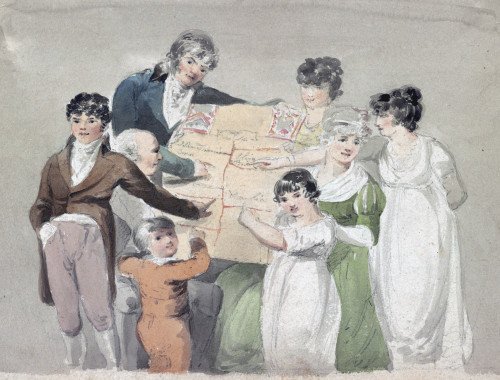
In the genteel world of Regency England, madness was not truly a medical diagnosis—it was a legal and social crisis. If the patriarch of an estate began to show signs of mental decline, it was not only a family tragedy but a potential threat to the continuity of property and inheritance. In my novel, The Mercy of Chance, a variation of Pride and Prejudice, this delicate question moves to center stage when the Bennet sisters find themselves managing Longbourn after their father’s death, while their elderly grandfather—the legal owner of the estate—is accused of madness by a grasping cousin.

